Downtown Vancouver Highlights 2026: Walkable Areas, Food, Shopping, and Local Experiences
Downtown Vancouver in 2026 is best experienced on foot. Compact neighborhoods, connected waterfront paths, and everyday city rhythms make walking the most natural way to explore the area. Rather than being defined by individual landmarks, downtown Vancouver highlights emerge through how Gastown, the waterfront, Coal Harbour, and Yaletown flow together across walkable streets.
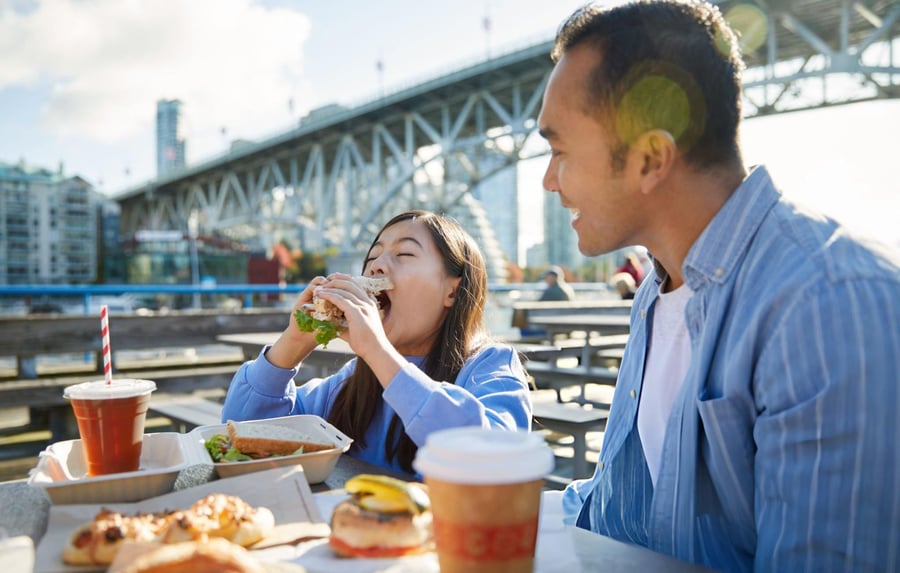
Common things to do in downtown Vancouver include waterfront strolling, observing street life, browsing local shops, and pausing at neighborhood cafés. Where to eat in downtown Vancouver is often guided by atmosphere rather than strict plans, with casual food spots appearing naturally along walking routes. This emphasis on walkability reflects long-term city priorities around pedestrian access and public space planning.
What defines downtown Vancouver in 2026 (walkability and city life)
Downtown Vancouver remains one of the most walkable city centers in Canada. Flat terrain, short distances, and continuous sidewalks make walking easier than driving for most daily exploration.
Rather than functioning as a single district, downtown Vancouver operates as a network of small neighborhoods connected by public spaces and waterfront paths. City life unfolds through routine movement-commutes, café visits, evening walks-rather than checklist-style sightseeing.
Explore downtown Vancouver on foot (main walking areas)
The core of downtown Vancouver includes several closely connected neighborhoods, all accessible within a short walk.
Main downtown Vancouver walking areas
Gastown – historic streets, cobblestones, and narrow alleys
Downtown waterfront & Canada Place – open paths with harbor views
Coal Harbour – quiet marina walks and mountain backdrops
Yaletown – warehouse architecture, cafés, and residential streets
West End – tree-lined streets and residential calm near Stanley Park
Financial district – compact blocks with weekday city rhythm
These areas flow naturally into one another, allowing visitors to explore without fixed routes or strict plans.
Gastown: historic streets and slow exploration
Gastown is one of the most atmospheric areas in downtown Vancouver. Cobblestone streets, heritage buildings, and shifting light encourage a slower pace.
What often defines Gastown is not a single landmark, but:
narrow side alleys
carved brickwork and iron details
plaques revealing early trades
subtle transitions between old and new architecture
Downtown waterfront and Canada Place walks
The downtown waterfront offers wide pedestrian paths with views of the harbor, mountains, and marine traffic. Walking here naturally invites pauses rather than continuous movement.
Key characteristics of this area include:
uninterrupted waterfront paths
open sightlines toward the North Shore mountains
public seating and viewing points
direct connections to nearby neighborhoods
Much of this experience follows sections of the city’s continuous seawall system.
Coal Harbour: quiet waterfront walks and marina views
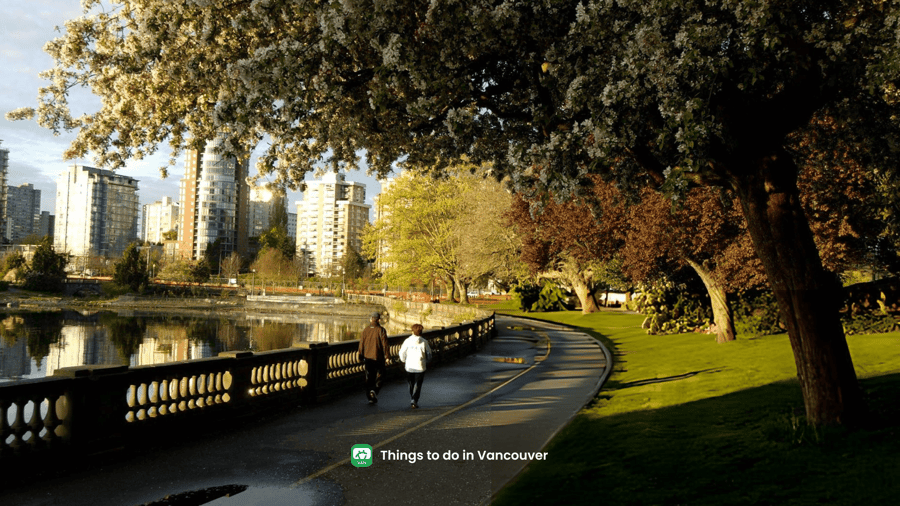
Coal Harbour feels more residential than other downtown areas. The seawall curves past marinas, glass towers, and calm water, creating a quieter walking rhythm.
This area is especially suited for:
Yaletown: warehouse history, cafés, and urban strolls
Yaletown blends historic warehouse buildings with modern residential streets. Sidewalk cafés, small parks, and waterfront access encourage wandering without a fixed destination.
Yaletown works well if you enjoy:
short walks between cafés
observing neighborhood routines
mixing architecture, food, and public space
West End: residential streets and everyday city life
The West End adds a quieter, more residential layer to downtown Vancouver. Tree-lined streets, small parks, and local shops create a slower pace away from the commercial core.
This area is ideal for:
Where to eat and drink in downtown Vancouver (by neighborhood)
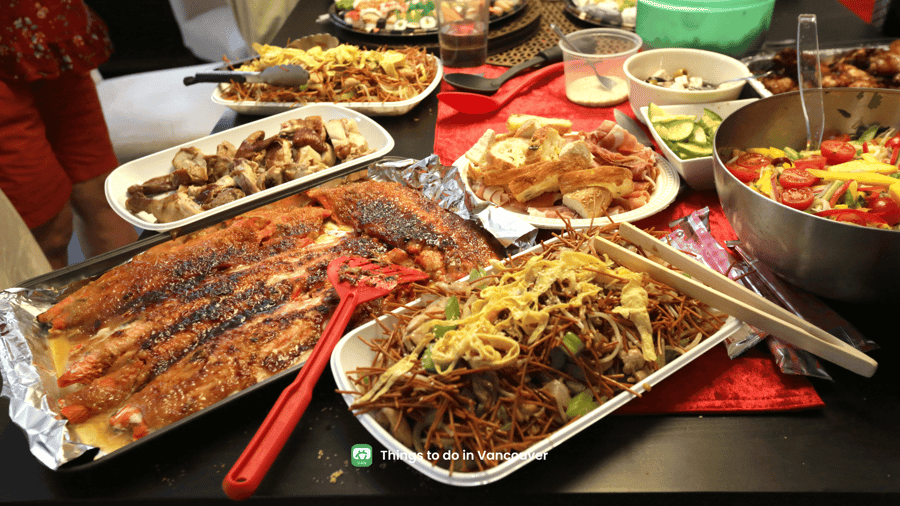
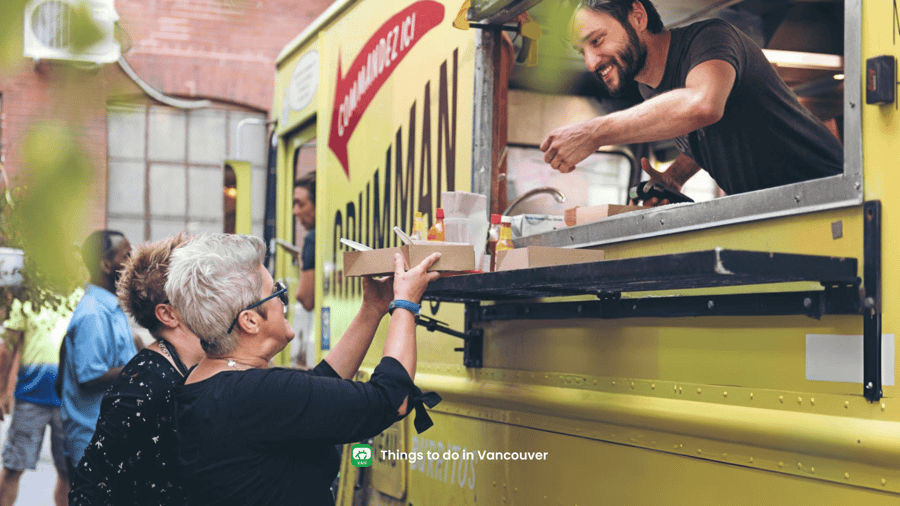
Food in downtown Vancouver is often discovered incidentally while walking. Rather than planning specific destinations, many visitors find cafés and casual eateries naturally along their routes.
Typical food atmosphere by area
Gastown – intimate cafés, historic interiors
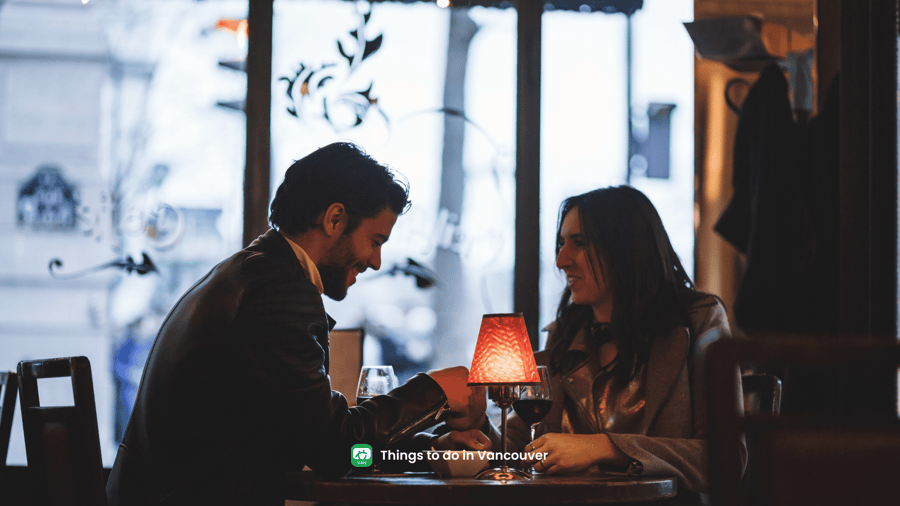
Yaletown – social dining, relaxed evening spots
Waterfront areas – quieter pauses with open views
West End – neighborhood cafés and bakeries
Eating becomes part of the walking experience rather than a separate activity.
Shopping and local finds in downtown Vancouver
Shopping in downtown Vancouver works best as casual browsing. Independent shops, bookstores, design studios, and galleries line streets that connect major walking routes.
Gastown and Yaletown are particularly suited for slow discovery. Even without purchasing anything, these areas provide insight into local culture and creative expression.
Experiencing downtown Vancouver on foot (slow travel style)
Walking is the most natural way to experience downtown Vancouver highlights. Distances are short, and transitions between neighborhoods feel gradual rather than abrupt.
Compared to checklist sightseeing, walking allows the city to reveal itself through repetition, small details, and everyday moments - how streets change with light, how water shapes movement, and how neighborhoods shift in character.
Practical tips for exploring downtown Vancouver on foot
Morning is often the quietest time to explore downtown Vancouver walking areas, especially along the waterfront. Late afternoons and early evenings bring more street life without feeling rushed.
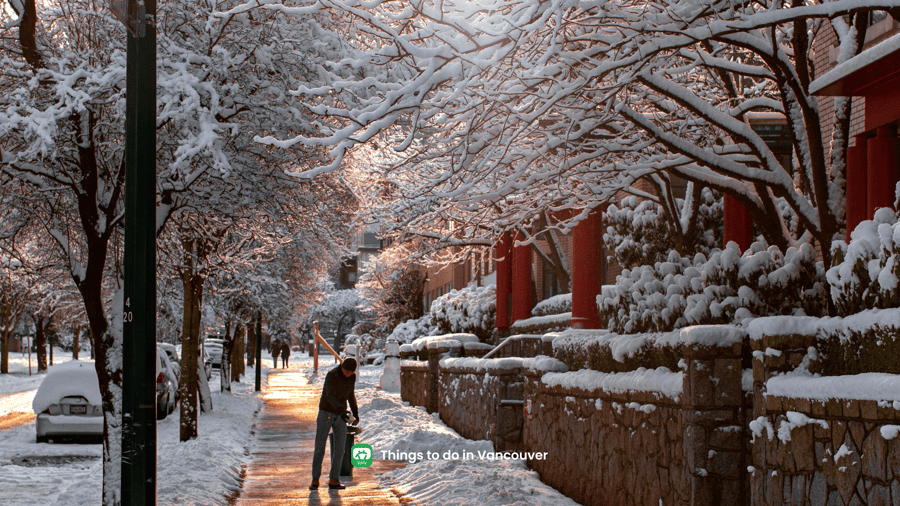
Seasonal changes matter. Spring and summer offer longer daylight and active public spaces, while fall and winter walks feel calmer and more reflective. Most downtown Vancouver attractions sit within a 15–30 minute walk of each other, making it easy to maintain a relaxed pace.