What to Do in Gastown: A 2026 Guide to Vancouver’s Oldest and Most Atmospheric Neighbourhood
Step into Gastown, where Vancouver’s past unfolds at a slower, more observant pace.
From cobblestone streets and Victorian façades to hidden courtyards, indie shops, and moody evening light, Gastown invites exploration through walking, wandering, and noticing small details. This 2026 guide highlights what to do in Vancouver’s oldest neighbourhood - not as a checklist, but as a series of moments shaped by history, atmosphere, and everyday local life. Whether you’re visiting for the first time or returning with fresh curiosity, Gastown rewards those who take their time.
What to Do in Gastown Vancouver (2026) - Walking Routes, Architecture, History & Local Tips
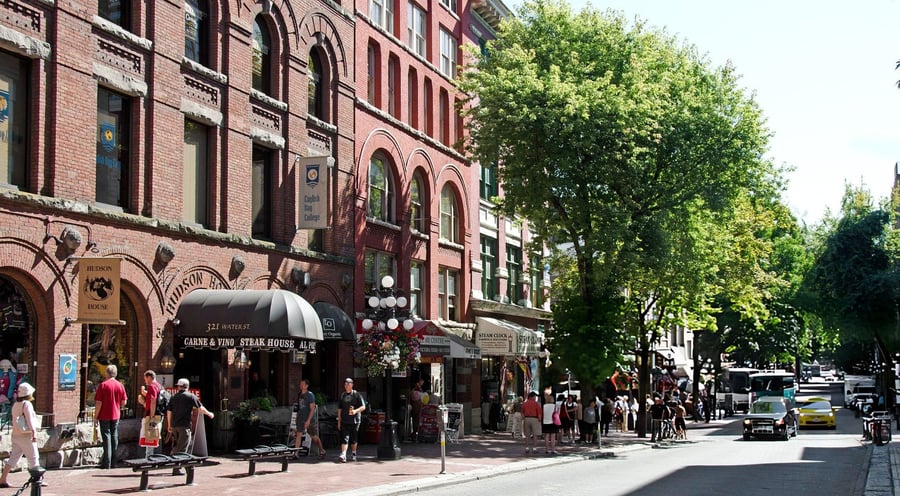
Gastown in 2026 is best explored on foot and at a slower pace. Vancouver’s oldest neighbourhood is defined by cobblestone streets, historic brick buildings, narrow alleys, and a strong sense of atmosphere rather than individual attractions. Visitors often come for the Steam Clock but stay to wander side streets, notice architectural details, browse independent shops, and pause in cafés woven into everyday street life. Gastown suits slow travelers and curious explorers who enjoy observation-driven city experiences.
Gastown at a Glance
Location: Edge of downtown Vancouver
Best explored: On foot
Ideal visit length: 1–2 hours
Known for: Cobblestone streets, heritage brick buildings, the Steam Clock
Best for: Slow travelers, first-time visitors, urban explorers
Year-round appeal: Yes - light rain often enhances reflections and mood
Gastown architecture: what makes it unique?
Located at the edge of Vancouver’s downtown core, Gastown preserves some of the city’s earliest street patterns. In 2026, it remains one of Vancouver’s most character-rich neighbourhoods, shaped by heritage protection, walkability, and continuity between past and present.
Rather than functioning as an open-air museum, Gastown is a lived-in district. Offices, residences, cafés, studios, and shops coexist inside restored brick buildings, creating a rhythm that feels active without being rushed. Walking is not just convenient here - it is essential to understanding how the neighbourhood works.
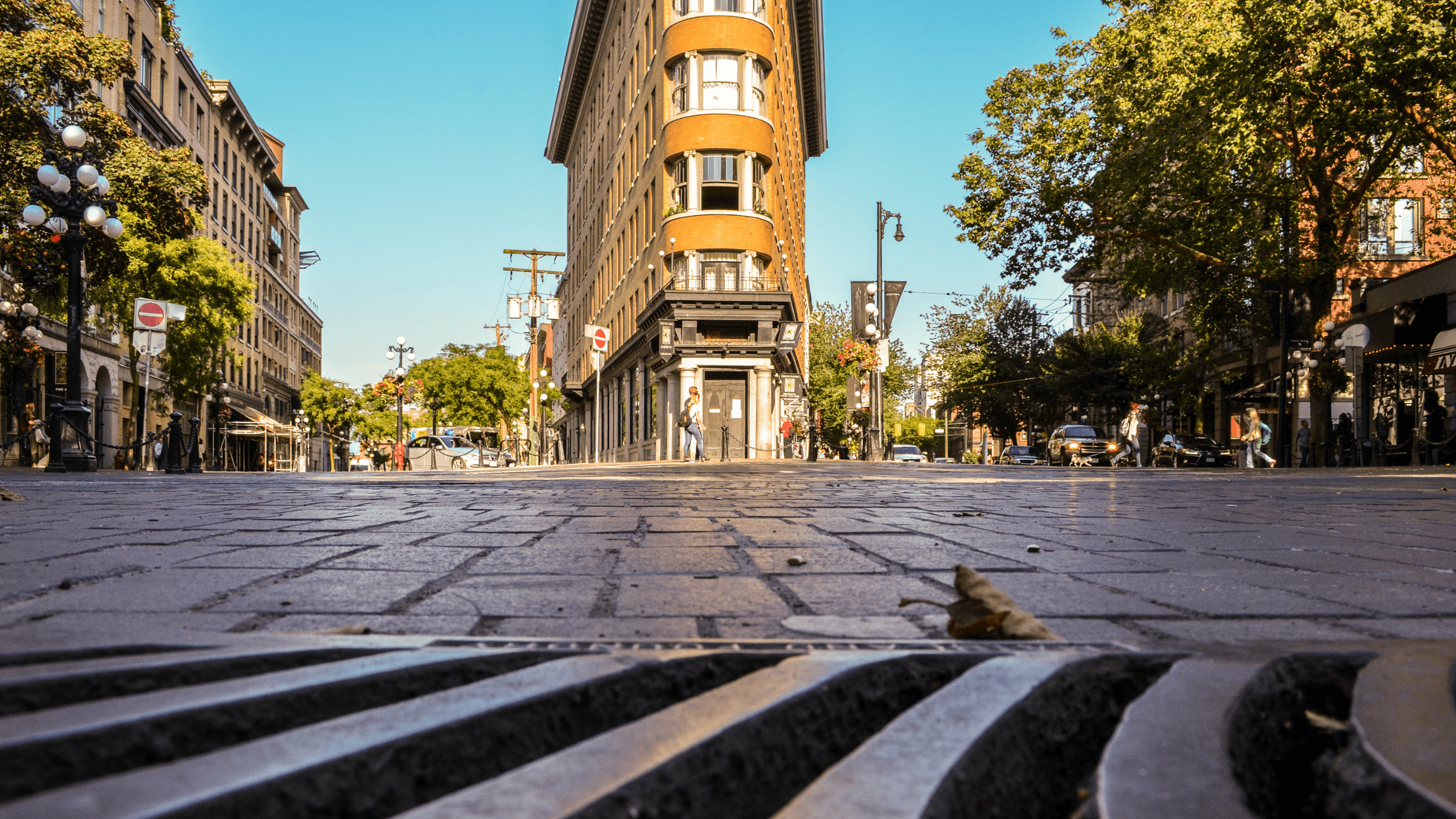
Brick façades, cast-iron columns, narrow staircases, and repurposed signage appear repeatedly across the area. These materials form a visual language that feels cohesive and grounded, even as the uses of the buildings continue to evolve.
Gastown walking routes and street layout guide
Gastown is compact, but it reveals itself gradually. Short blocks, changing street textures, and narrow alleys encourage frequent pauses rather than continuous movement.
Areas worth exploring
Water Street: Cobblestones, heritage façades, and steady foot traffic
Side alleys and courtyards: Quieter spaces layered with architectural detail
Historic intersections: Where light, brick, and movement intersect
Edges toward downtown: Subtle transitions into newer streets
Many visitors loop through these areas more than once without realizing it, noticing different details with each pass depending on light, sound, and crowd levels.
The Gastown Steam Clock and its surroundings
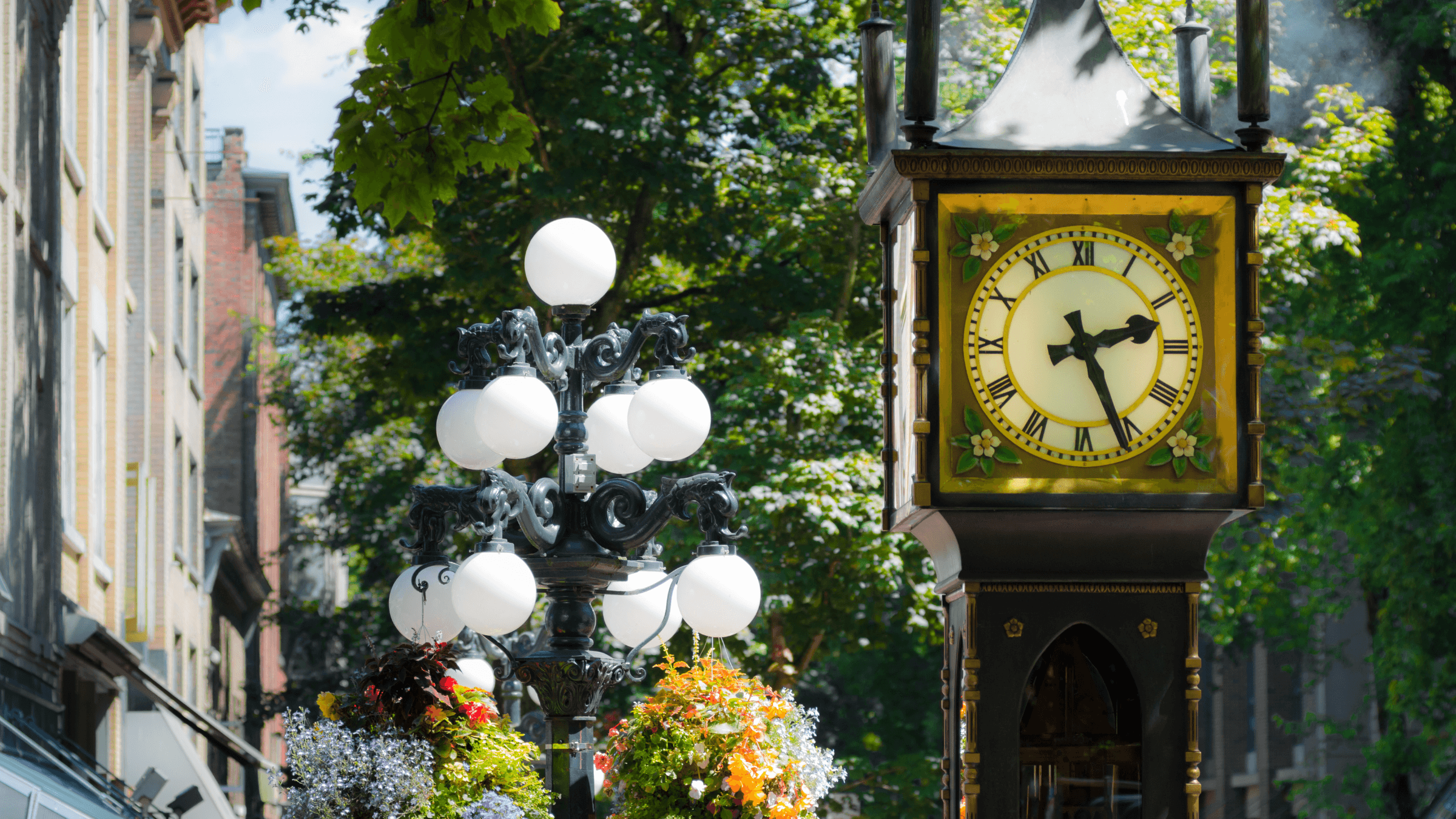
The Steam Clock remains Gastown’s most recognizable landmark and a natural starting point for many walks. While it draws attention, the surrounding streets often define the experience more than the clock itself.
In the blocks around the Steam Clock, look for:
Variations in brick patterns and stonework
Plaques marking early trades and businesses
Repeating iron details across storefronts
Subtle shifts in sound and light throughout the day
Moving even one block away often changes the pace noticeably, making it easier to observe without the densest crowds.
Where to eat and pause while walking Gastown
Gastown works best when browsing without a plan. Independent shops and studios often occupy heritage interiors, shaping how visitors move through the space.
Cafés appear naturally along walking routes:
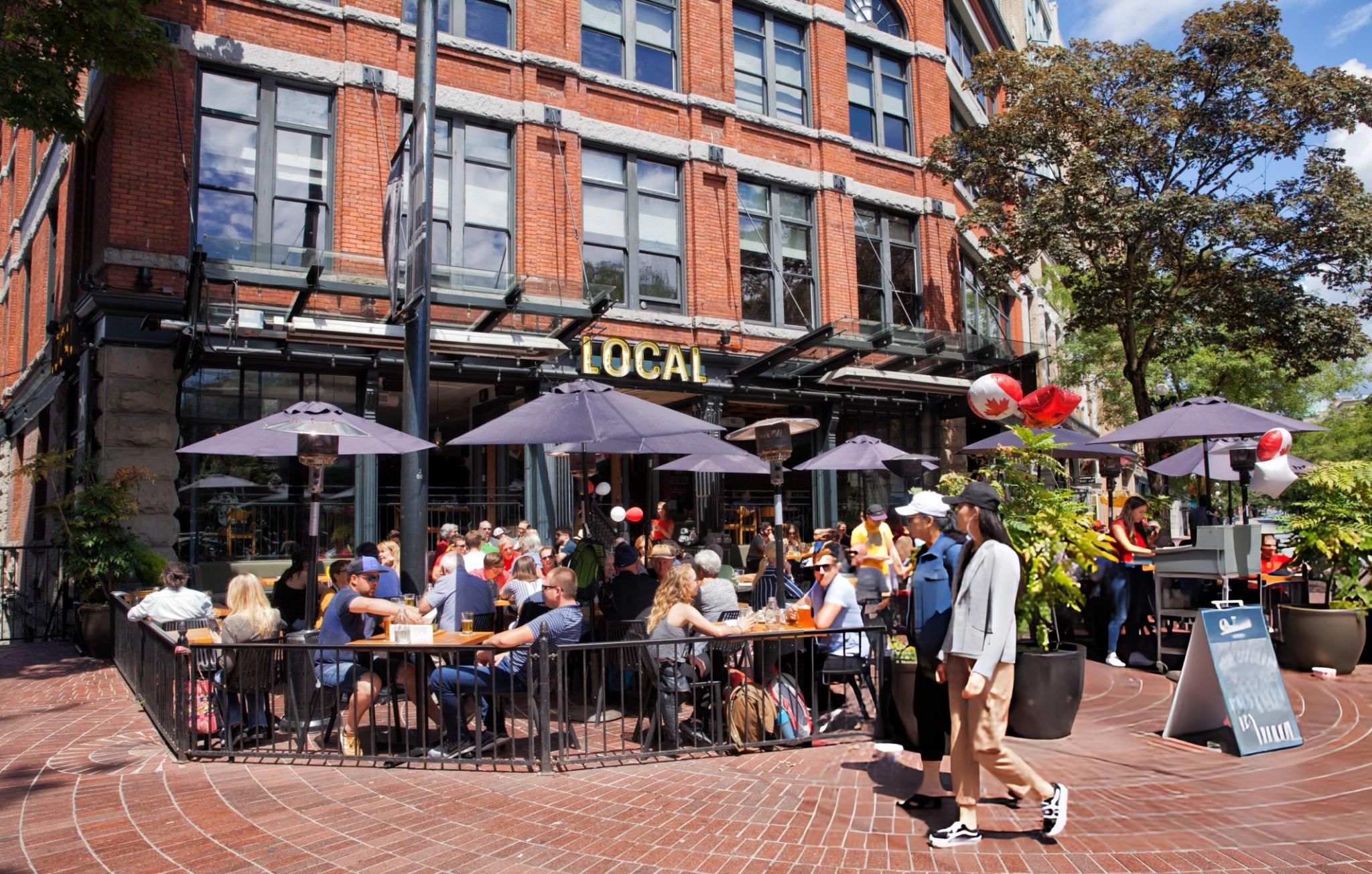
Street-facing cafés: Ideal for watching movement and street life
Side-street spots: Quieter pauses for reflection and rest
Evening dining spaces: Warmer light, slower rhythm, and deeper contrast
Food here supports exploration rather than becoming the main focus.
Experiencing Gastown through narrative exploration
Some visitors choose optional, self-guided narrative walks that use real-world details as prompts for exploration. This approach fits naturally into Gastown’s scale and atmosphere, encouraging slower movement and closer observation. For those looking for light structure without committing to a fixed schedule, community-led walking formats such as this Gastown walking experience on GuruWalk can offer a flexible starting point for exploration.
Best times to explore Gastown
Gastown changes noticeably throughout the day, even though the streets remain the same.
Morning - quieter, practical, ideal for observing details
Midday - busier, more movement around main streets
Discover the best active Valentine’s date ideas for couples in Vancouver, from scenic hikes and beach walks to kayaking and winter adventures. Plan a romantic outdoor experience with practical tips, itineraries, and budget-friendly options.
A concise local guide to what people actually eat in Vancouver, highlighting everyday dishes shaped by neighbourhood routines, Asian cuisines, and coastal ingredients.
A local-inspired guide to hidden date spots in Vancouver, from quiet parks and overlooked viewpoints to museums and public spaces that invite slow conversation and shared discovery.
A local-focused guide to Michelin-starred restaurants in Vancouver that couples choose for dates. Based on timing, atmosphere, and return visits, not hype.
Explore Vancouver through everyday neighbourhood food routines. From Mount Pleasant cafés to Richmond’s local Asian eats and Kitsilano beachside meals, this guide shows how locals eat day to day.
Discover the best things to do in Vancouver in winter, including snowy viewpoints, cozy neighborhoods, Christmas lights, outdoor adventures, and seasonal events.