Your 2026 Companion to Stanley Park: Trails, Beaches, Lookouts, and Local Secrets
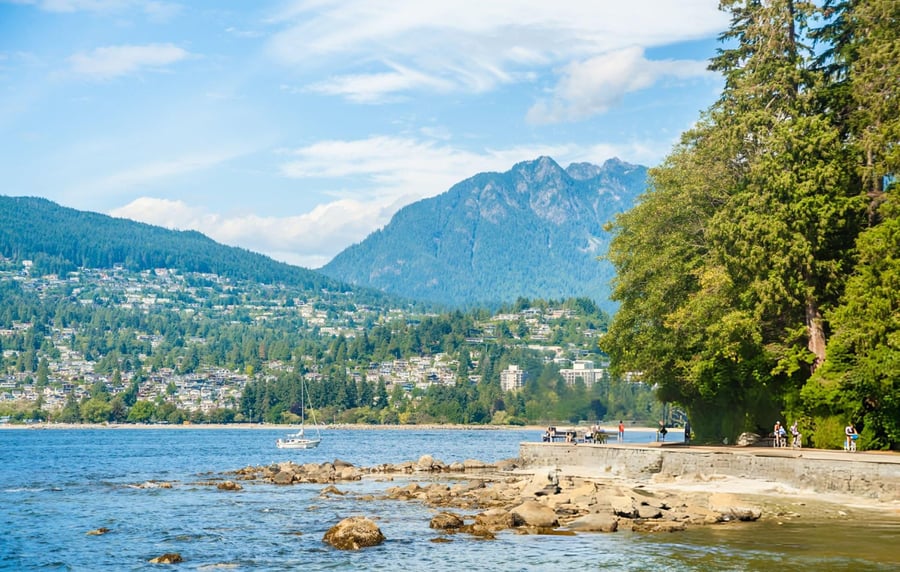
Discover one of Vancouver’s most iconic walks along the Stanley Park Seawall, where ocean views stretch endlessly, rocky shorelines frame the path, and coastal mountains rise clearly in the distance on a bright day. This scenic loop is more than a viewpoint—it’s a moving panorama of sea, forest, and city life, best experienced at a slow, unhurried pace. Whether you’re walking, cycling, or simply pausing to watch the water, the Seawall offers a clear, immersive way to feel Vancouver’s natural beauty unfold step by step.
Your 2026 companion to Stanley Park: trails, beaches, lookouts, and local secrets
Stanley Park is where Vancouver slows down and opens outward. In 2026, the park remains one of the city’s most complete outdoor spaces, blending forest trails, waterfront paths, quiet beaches, and elevated lookouts into a landscape that feels both expansive and intimate. Rather than following a single route, visitors move between shaded forest sections, open seawall stretches, and pockets of stillness where the city fades into the background.
This guide is designed as a companion rather than an itinerary. Whether you are walking a short trail, cycling the seawall, pausing at a beach, or climbing toward a lookout, Stanley Park rewards flexible exploration and unhurried movement. It suits first time visitors, locals seeking daily escape, and travelers who value space, light, and natural rhythm over landmarks alone.
At the edge of Vancouver, Stanley Park creates an immediate shift in rhythm. Traffic noise fades, trees close in, and movement slows naturally.
Stanley Park is not experienced all at once. It unfolds gradually through forest interiors, open water views, and quiet clearings where stopping feels natural rather than planned.
Trails that slow you down
Inside the park, forest trails offer shade and separation from the city. These paths are uneven in places and intentionally indirect, encouraging slower walking and observation.
Visitors often use:
Short forest loops for quiet movement
Intersections of trails as informal decision points
Posted maps and trail markers to wander without pressure
These trails are ideal when you want space without leaving downtown.
The seawall as a moving viewpoint
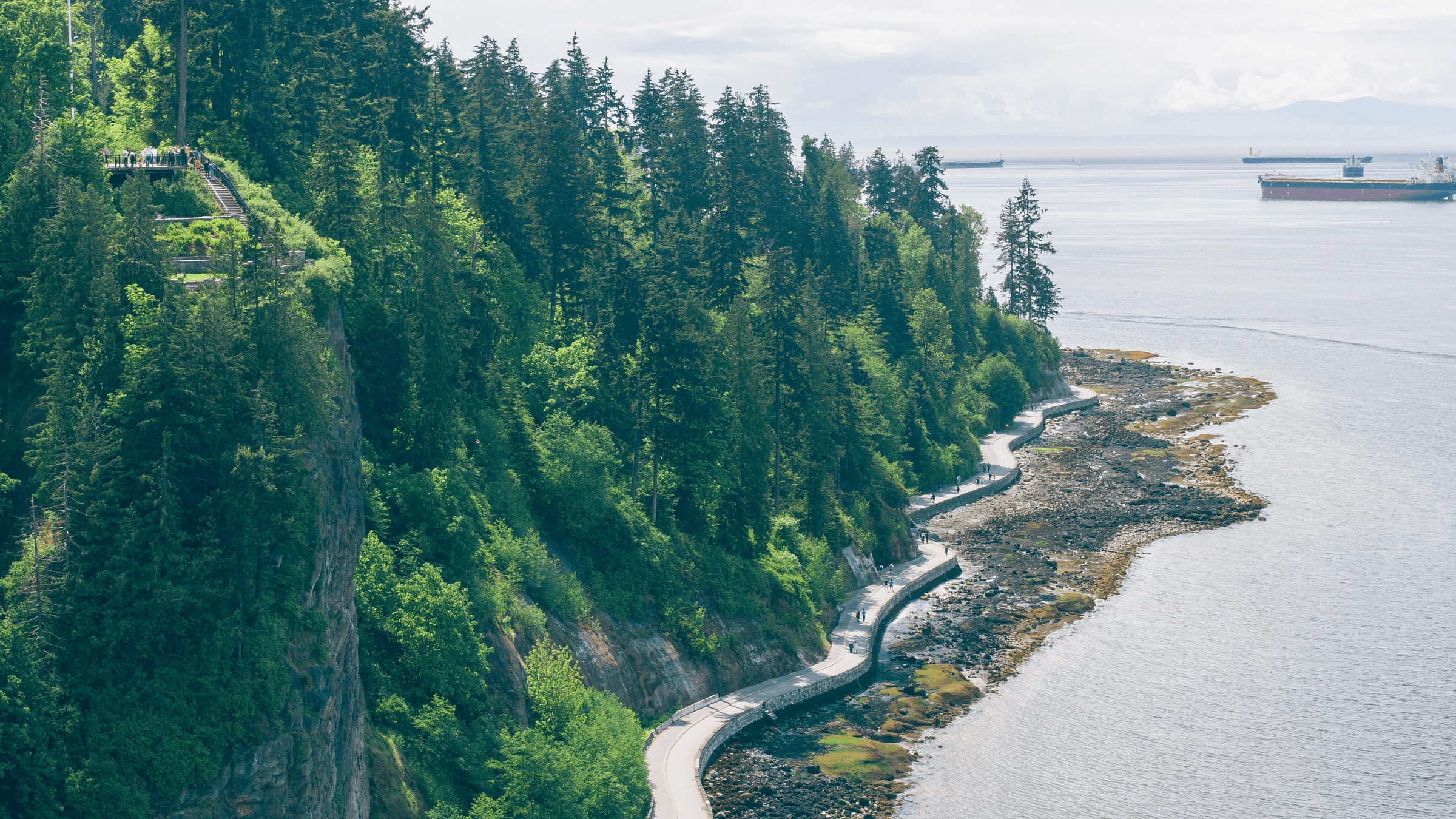
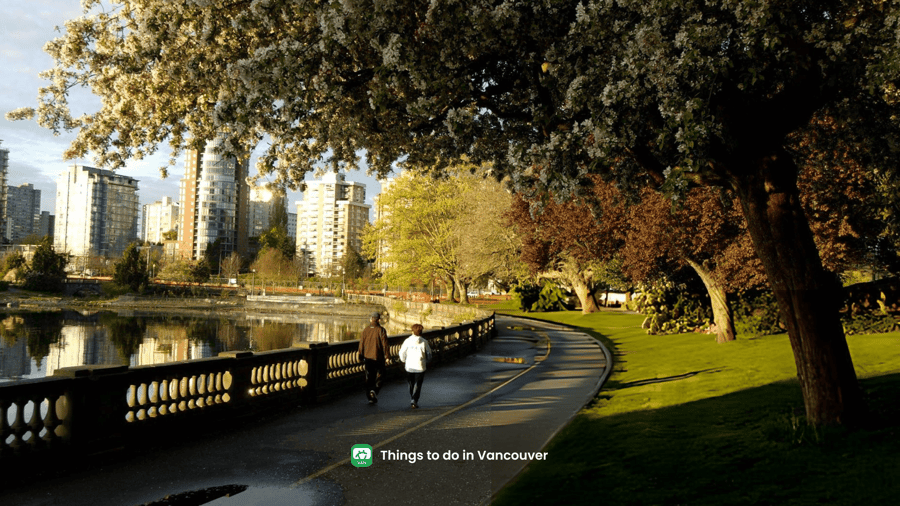
The Stanley Park Seawall is best understood as a continuous viewpoint rather than a single destination. Along the route, scenery shifts between forest, open water, and city skyline.
Many people experience it in sections:
Walking short stretches between viewpoints
Cycling along longer waterfront segments
Pausing at benches and overlooks
Completing the full loop is optional rather than essential.
Beaches and open edges
Stanley Park’s beaches offer contrast. After forest shade and seawall movement, these open edges feel expansive and grounding.
Each beach carries a slightly different mood:
Sheltered areas for quiet sitting and reflection
Open shorelines where wind and waves dominate
Sunset facing spots that draw visitors in the evening
These spaces work best without plans. Sit, walk, or simply watch the light change.
Lookouts and elevated pauses
Throughout the park, gentle rises and lookout points create natural pauses. From these spots, the relationship between forest, water, and city becomes clearer without feeling distant.
These moments often define the visit more than any single landmark.
Stanley Park supports open ended exploration. Clear signage, posted maps, and well maintained paths make it easy to move intuitively.
Some visitors prefer light structure, using public maps, interpretive signs, or self guided walking notes found through local visitor information. Others simply follow paths until a pause feels right. Both approaches fit naturally into the park’s scale.
Best time to visit Stanley Park in 2026
Stanley Park changes with light, weather, and season.
Morning: Calm, cool, and ideal for forest trails
Midday: Active along the seawall and beaches
Late afternoon: Softer light and longer shadows
Evening: Quiet edges and reflective water
Even brief visits can feel complete when timed well.
Practical tips for a relaxed visit
Time needed: 2 to 4 hours depending on pace
Footwear: Comfortable shoes for mixed surfaces
Crowds: Concentrated near the seawall midday
Weather: Overcast days often feel especially atmospheric
Leaving space for detours and pauses usually leads to the most satisfying experience.
Food & drink
What to eat & drink in Vancouver
Curated blog posts covering markets, breweries, coffee, and flavorful neighborhoods to explore between adventures.
Discover the best active Valentine’s date ideas for couples in Vancouver, from scenic hikes and beach walks to kayaking and winter adventures. Plan a romantic outdoor experience with practical tips, itineraries, and budget-friendly options.
A concise local guide to what people actually eat in Vancouver, highlighting everyday dishes shaped by neighbourhood routines, Asian cuisines, and coastal ingredients.
A local-inspired guide to hidden date spots in Vancouver, from quiet parks and overlooked viewpoints to museums and public spaces that invite slow conversation and shared discovery.
A local-focused guide to Michelin-starred restaurants in Vancouver that couples choose for dates. Based on timing, atmosphere, and return visits, not hype.
Explore Vancouver through everyday neighbourhood food routines. From Mount Pleasant cafés to Richmond’s local Asian eats and Kitsilano beachside meals, this guide shows how locals eat day to day.
Discover the best things to do in Vancouver in winter, including snowy viewpoints, cozy neighborhoods, Christmas lights, outdoor adventures, and seasonal events.