Granville Island Uncovered: Markets, Art Spaces, Food Spots, and 2026 Must-Visits
Discover the very best things to experience on Granville Island, from vibrant public markets and working artist studios to waterfront paths, hidden corners, and everyday local rituals. Whether you’re wandering for a slow morning, an unplanned afternoon, or a full day of exploration, this guide brings together the places, flavors, and creative spaces that define the island. Thoughtfully paced and easy to explore on foot, it’s designed to help you experience Granville Island not as a checklist, but as a living, breathing part of Vancouver — observed, tasted, and discovered like a local.
Granville Island Uncovered: Markets, Art Spaces, Food Spots, And 2026 Must-Visits
Granville Island in 2026 is best explored slowly, on foot, and with curiosity. Known for its public market, creative studios, and waterfront setting, the island reveals its character not through a single attraction, but through the way food, art, and everyday activity intersect in a compact, walkable space. Visitors come for fresh produce and local meals, but often stay for quiet courtyards, working artist studios, and subtle details rooted in the island’s industrial past.
Granville Island in 2026: what defines the experience
Granville Island sits just south of downtown Vancouver, but it feels like its own contained world. Compact pathways, repurposed industrial buildings, and constant waterfront views make walking the most natural way to explore.
In 2026, Granville Island continues to function less as a “tourist attraction” and more as a working cultural hub. Artists create and sell on-site, food vendors prepare meals in real time, and public spaces remain active throughout the day. The island’s appeal lies in how these elements overlap, rather than in any single highlight.
Exploring Granville Island on foot (how the island flows)
Granville Island is small enough to explore without a map, yet layered enough to reward slow movement.
Main walking zones on Granville Island
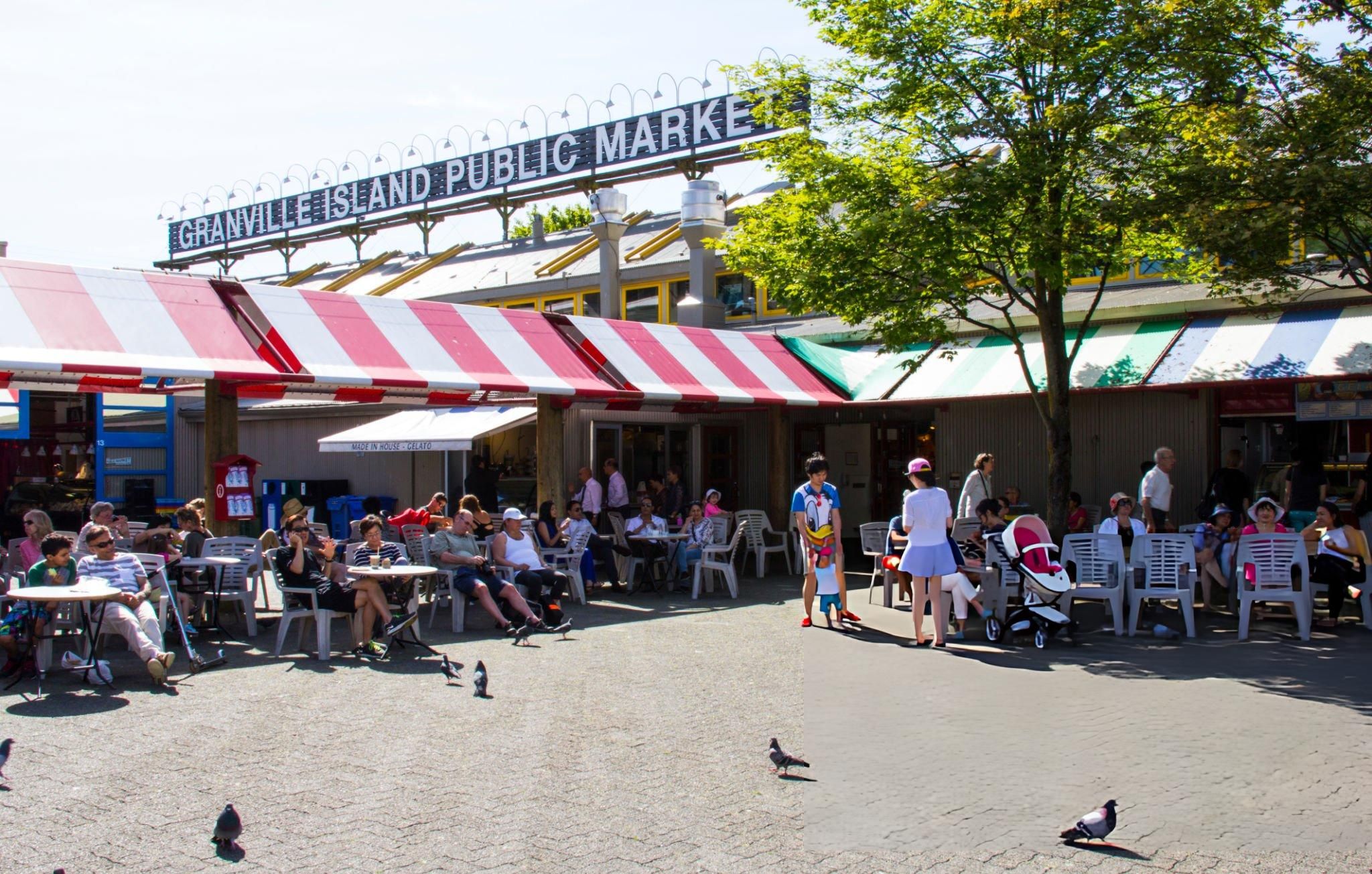
Public Market area – lively, sensory, and food-focused
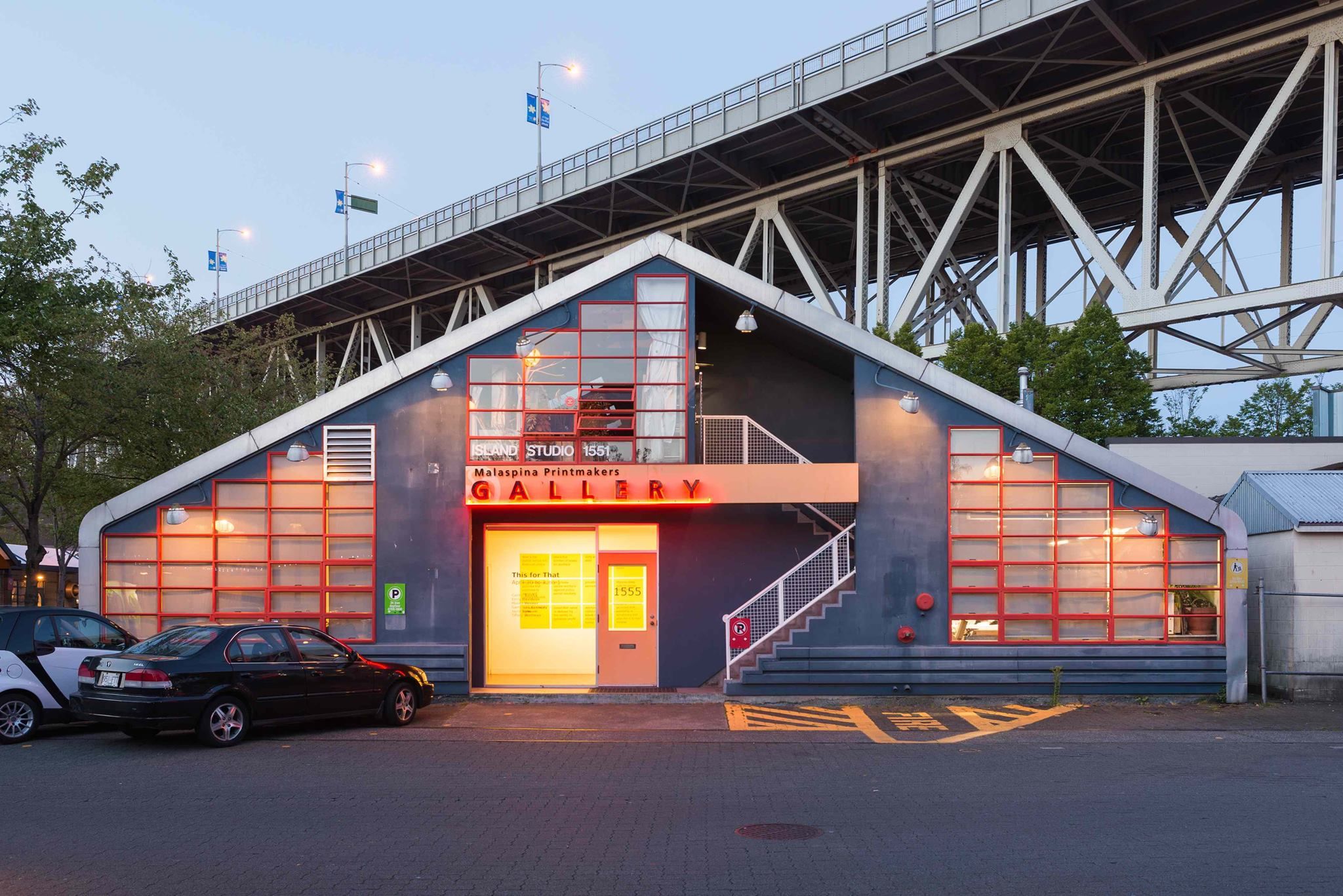
Arts and studio district – quieter spaces with working workshops
Waterfront docks and paths – open views and natural pauses
Courtyards and side passages – overlooked details and hidden corners
Most visitors naturally move between these zones multiple times, discovering something new with each loop.
Granville Island Public Market: how locals browse, eat, and observe
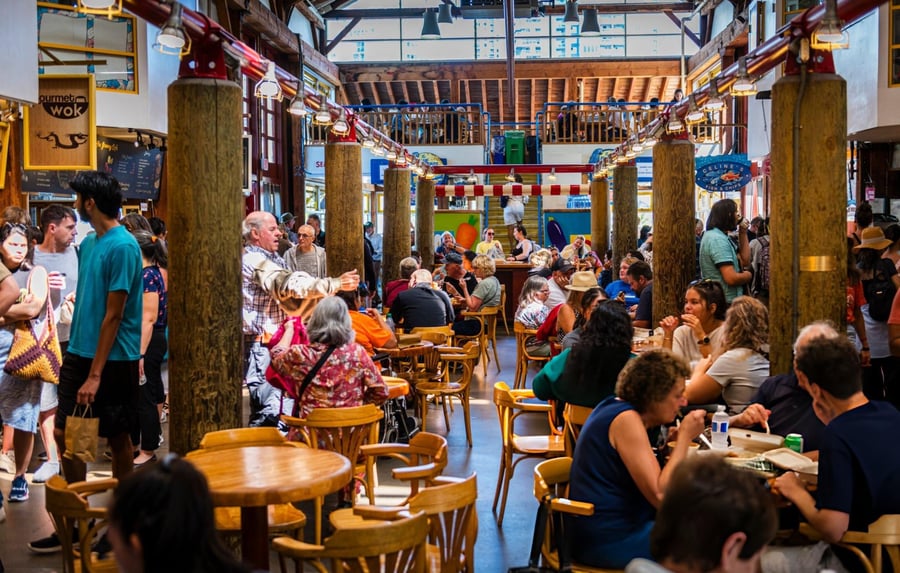
The Public Market is the island’s most recognizable space, filled with produce stalls, bakeries, seafood counters, and prepared foods. It is often busy, especially midday, but its energy is part of the experience.
Beyond shopping, the market offers:
opportunities to observe local food culture
casual, standing-style meals
seasonal ingredients that change throughout the year
Stepping just outside the market quickly shifts the pace, making it easy to balance busy moments with quieter exploration.
Granville Island art studios: working spaces, not galleries
Granville Island’s creative identity is rooted in its working studios rather than curated galleries alone. Many artists produce, display, and sell their work in the same space.
What you’ll find in the arts district
glassblowing and metal workshops
painting, ceramics, and textile studios
small theatres and rehearsal spaces
design shops connected directly to makers
Even brief visits often include conversations or observations that reveal how the island functions as a living creative environment.
Food spots across Granville Island (by atmosphere)
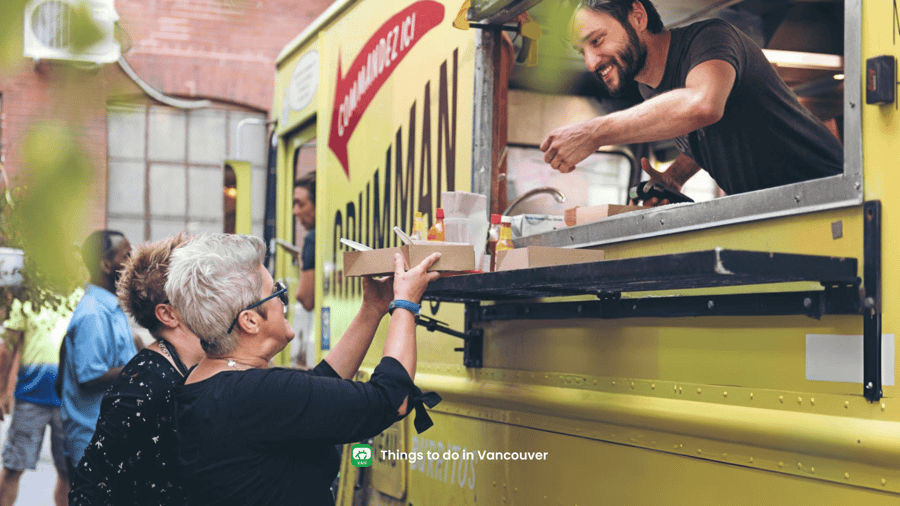
Eating on Granville Island is often unplanned. Food appears naturally along walking routes, encouraging spontaneous choices rather than reservations.
Side-street cafés – quieter pauses away from crowds
Rather than focusing on “best restaurants,” many visitors enjoy letting the island’s rhythm guide where and when they eat.
Granville Island waterfront walks: docks, pauses, and everyday movement
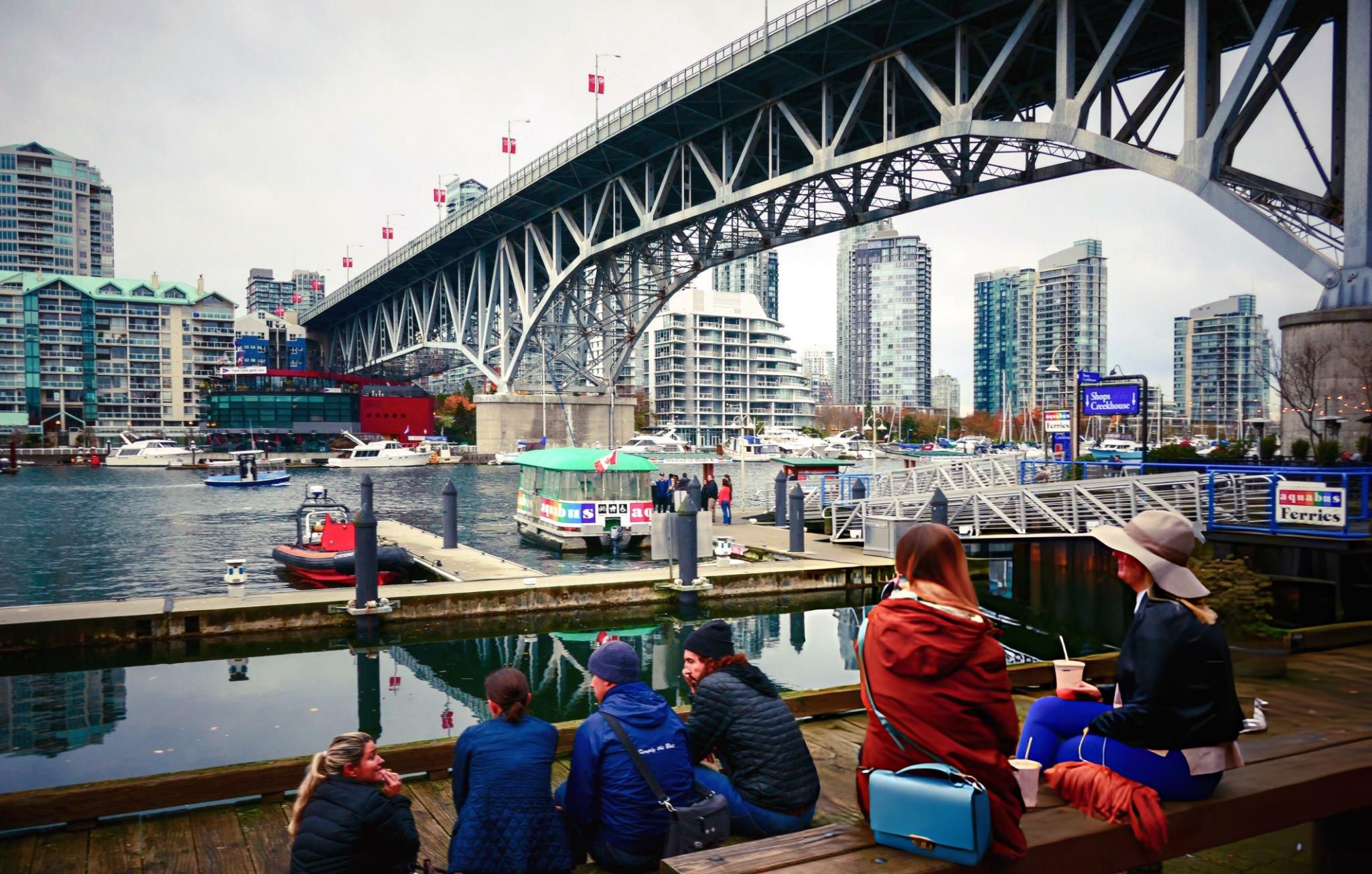
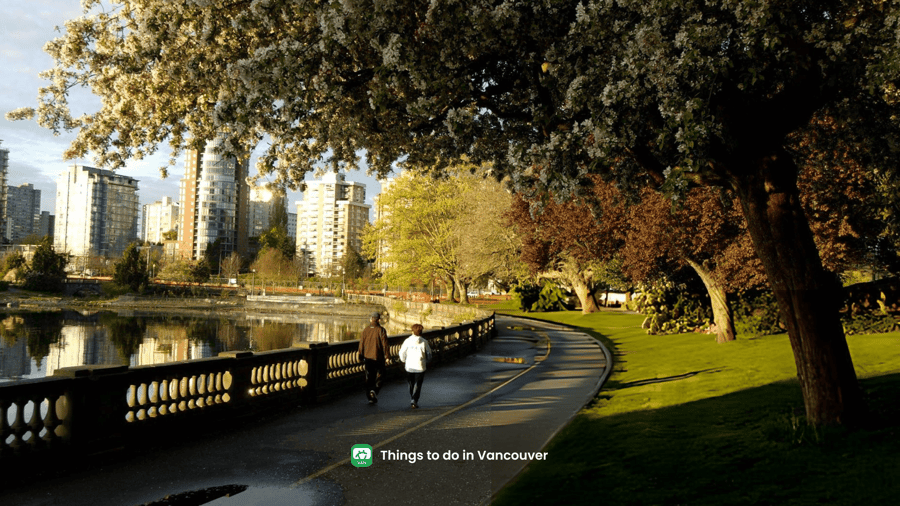
The island’s edges are just as important as its interior. Wooden docks, floating walkways, and short waterfront paths create natural places to pause and observe.
These areas are well suited for:
watching boat activity in False Creek
short reflective breaks between busier zones
evening walks when crowds thin out
Movement here feels circular rather than linear, reinforcing the island’s compact, exploratory nature.
Hidden corners and overlooked details
Granville Island rewards attention to small things. Away from the main routes, subtle details hint at its industrial history and creative reuse.
Look for:
exposed beams and old signage
repeating patterns in railings and walls
sculptures tucked between buildings
unexpected viewpoints framed by infrastructure
These quieter discoveries often become the most memorable moments of a visit.
Experiencing Granville Island as a slow exploration
Rather than rushing through highlights, Granville Island works best when revisited at different times of day. Morning feels practical and local, midday energetic, and late afternoon calmer and more reflective.
Some travelers choose optional, self-guided, story-driven walking experiences as a way to structure this exploration, using narrative prompts to notice details they might otherwise pass by. These approaches emphasize observation over direction and fit naturally into the island’s layout.
Practical tips for visiting Granville Island in 2026
Best time to visit: mornings for space, late afternoons for atmosphere
How long to spend: 2–4 hours allows for unhurried exploration
Crowds: busiest around midday, especially near the market
Footwear: comfortable walking shoes are more useful than strict plans
Allowing extra time to wander often leads to the most rewarding discoveries.
Food & drink
What to eat & drink in Vancouver
Curated blog posts covering markets, breweries, coffee, and flavorful neighborhoods to explore between adventures.
Discover the best active Valentine’s date ideas for couples in Vancouver, from scenic hikes and beach walks to kayaking and winter adventures. Plan a romantic outdoor experience with practical tips, itineraries, and budget-friendly options.
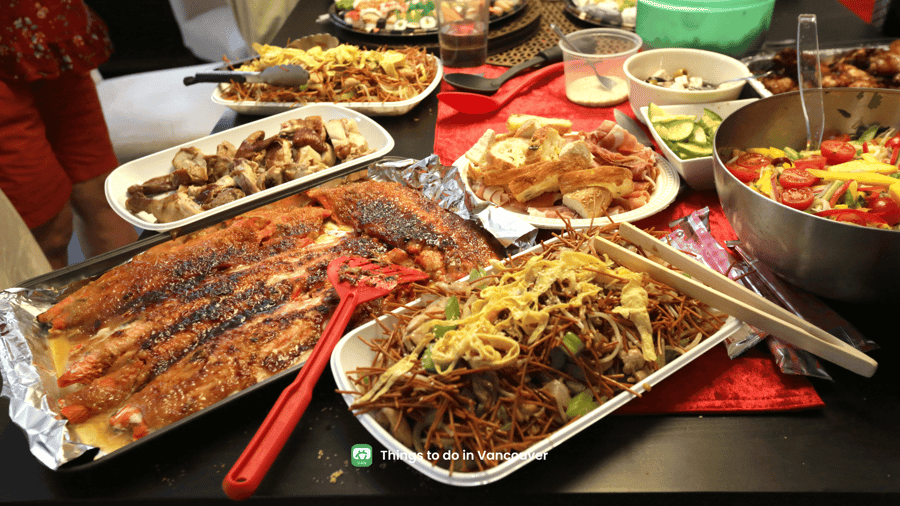
A concise local guide to what people actually eat in Vancouver, highlighting everyday dishes shaped by neighbourhood routines, Asian cuisines, and coastal ingredients.
A local-inspired guide to hidden date spots in Vancouver, from quiet parks and overlooked viewpoints to museums and public spaces that invite slow conversation and shared discovery.
A local-focused guide to Michelin-starred restaurants in Vancouver that couples choose for dates. Based on timing, atmosphere, and return visits, not hype.
Explore Vancouver through everyday neighbourhood food routines. From Mount Pleasant cafés to Richmond’s local Asian eats and Kitsilano beachside meals, this guide shows how locals eat day to day.
Discover the best things to do in Vancouver in winter, including snowy viewpoints, cozy neighborhoods, Christmas lights, outdoor adventures, and seasonal events.