Best Vancouver Walking Tours 2026: Scenic Routes, Local Spots, and Self-Guided Trails
Discover the best free walking tours and self-guided trails in Vancouver — scenic walks, cultural neighbourhoods, and easy routes you can explore independently. Ideal for first-time visitors and curious locals, this guide helps you experience Vancouver on foot without rushing or rigid schedules.
Best Vancouver Walking Tours 2026: Scenic Routes, Local Spots, and Self-Guided Trails
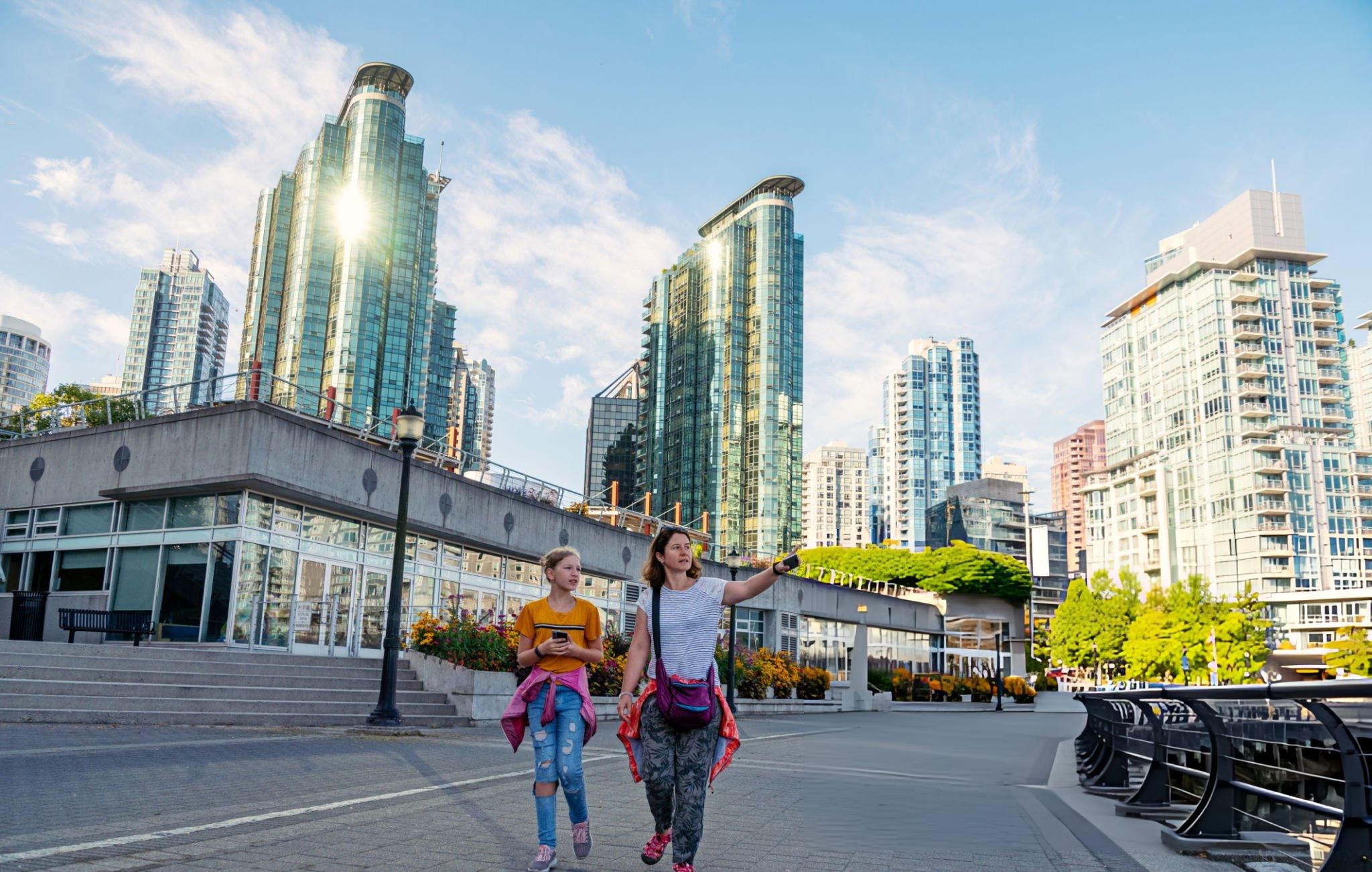
Vancouver is a city best understood on foot. Mountains frame the skyline, seawalls trace the edges of neighborhoods, and cultural districts unfold gradually as you walk. In 2026, Vancouver walking tours continue to favor slower exploration—routes that invite observation rather than urgency.
This guide focuses on scenic walks, local streets, and self-guided routes that feel natural to explore. Whether you prefer structured walking tours or independent wandering, these paths offer a grounded way to experience the city.
Why Vancouver works so well for walking
Vancouver is compact, visually open, and designed around pedestrians. Many of its most memorable places—waterfront paths, historic streets, and neighborhood centers—connect seamlessly on foot.
For visitors, walking tours in Vancouver 2026 are less about covering distance and more about noticing details: shifting light on the water, neighborhood transitions, and everyday local rhythms.
Scenic walking routes in Vancouver
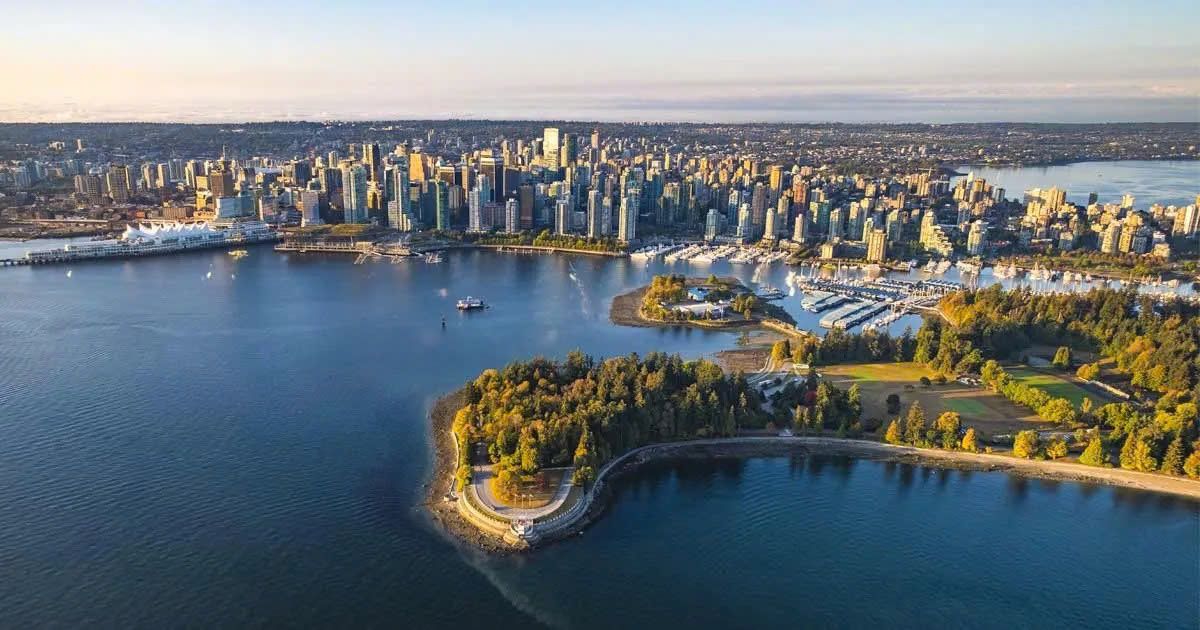
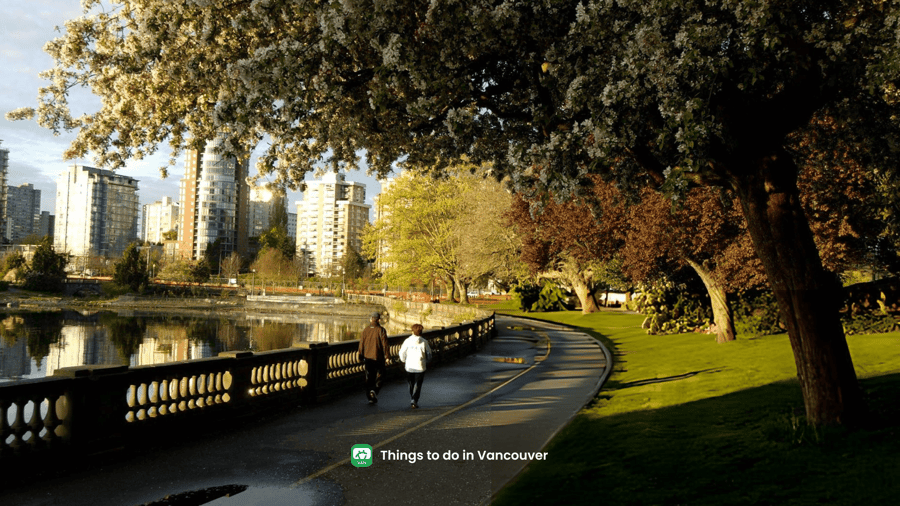
Stanley Park Seawall Loop
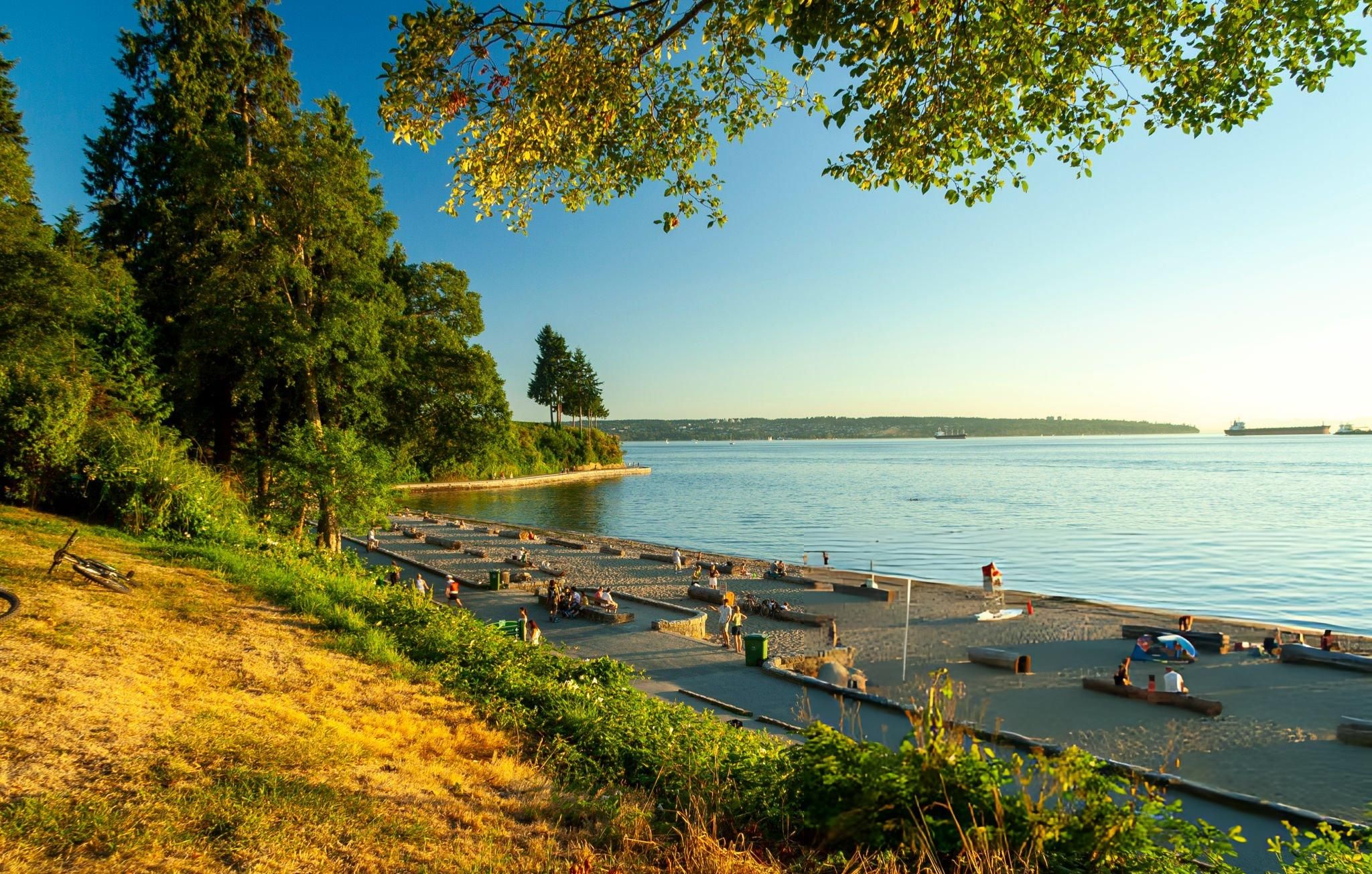
The Seawall around Stanley Park is often considered Vancouver’s most iconic walk. The path circles forest, beaches, and open water with constant views of mountains and the city skyline.
You can walk the full loop or choose a shorter section. The route is flat, clearly marked, and easy to enjoy at your own pace.
Distance: approximately 9 km (full loop)
Best for: scenery, fresh air, wide open views
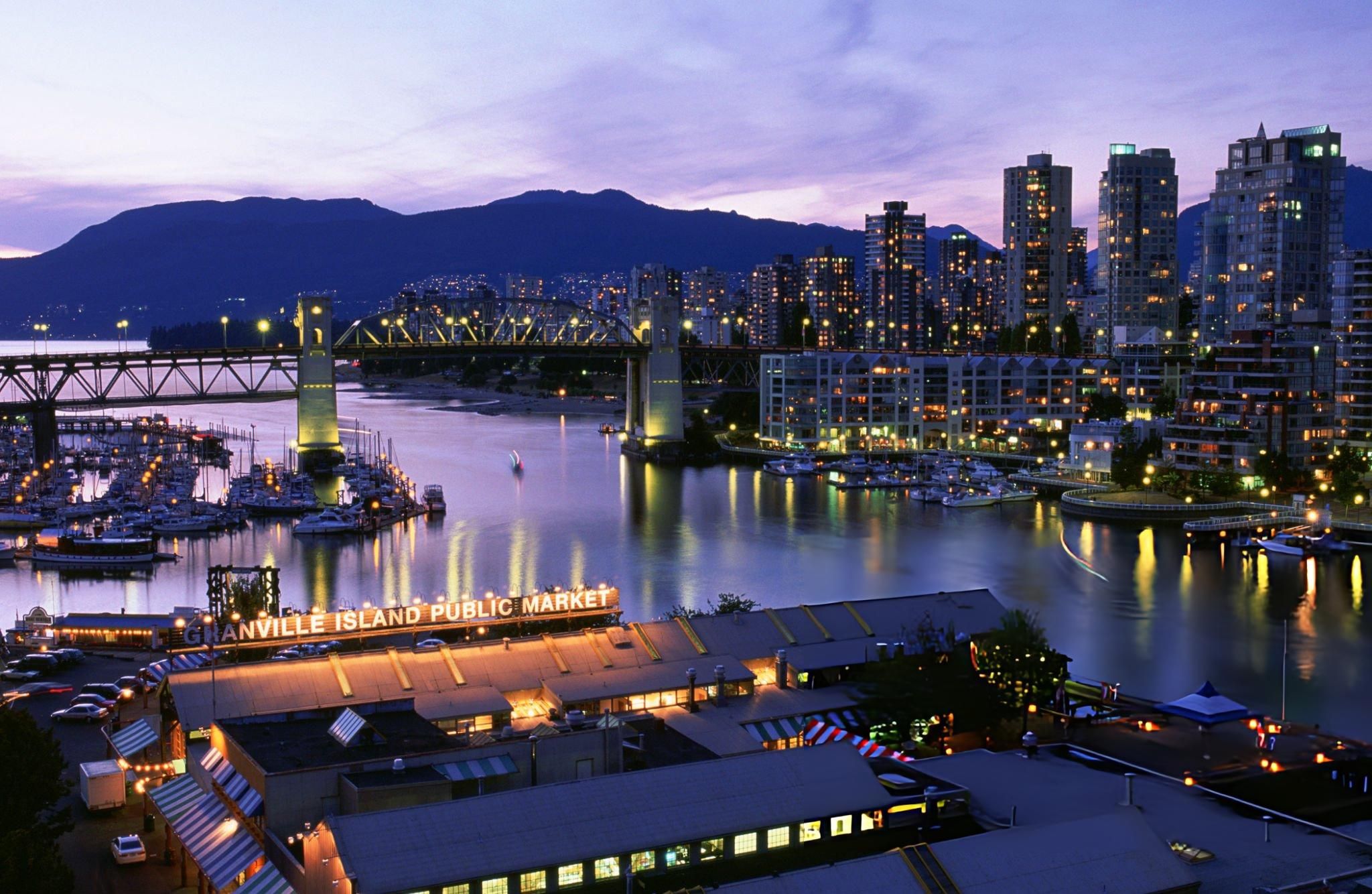
False Creek Waterfront Walk
The False Creek path links neighborhoods through a continuous waterfront route. It passes marinas, small parks, and quiet residential edges before reaching busier areas.
This walk feels especially balanced—urban without being rushed, scenic without feeling curated.
Distance: flexible depending on entry and exit points
Best for: relaxed walking, city-water balance
Neighborhood walking tours worth exploring
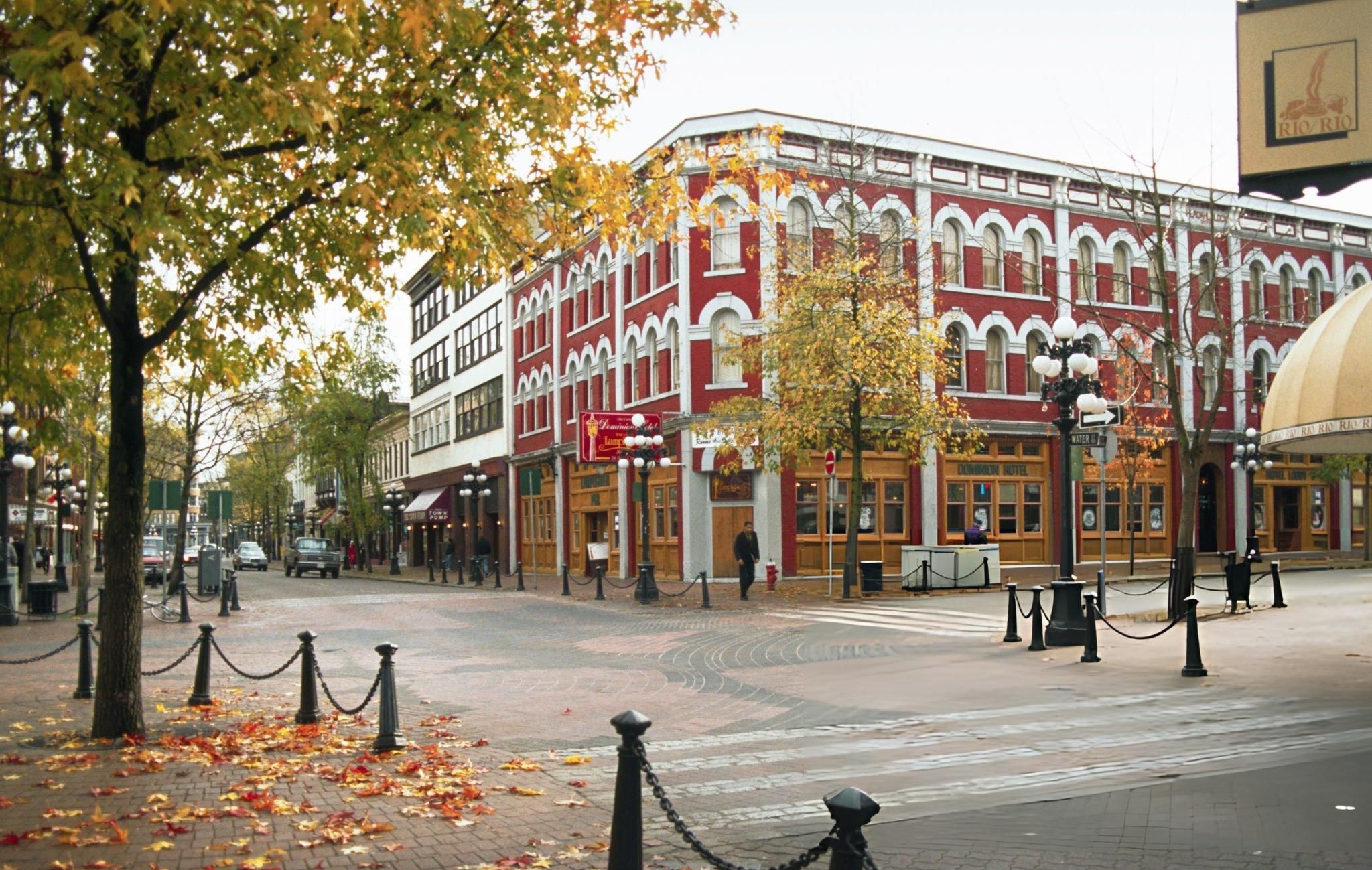
Gastown: Historic streets and subtle stories
Gastown is compact and best explored slowly. Cobblestone streets, heritage buildings, and narrow alleys reveal layers of early Vancouver history.
Many free walking tours Vancouver visitors join begin here, though Gastown is equally suited to self-guided exploration if you prefer to move independently.
Best for: history, architecture, short walks
Time needed: 60–90 minutes
Granville Island and the Waterfront Edge
Granville Island combines public markets, small workshops, and waterfront paths. Walking here is less about distance and more about observation.
You can circle the island, pause by the water, and continue toward False Creek without following a fixed route.
Best for: local atmosphere, casual wandering
Time needed: 1–2 hours
Self-guided and free walking tours in Vancouver
Self-guided walking tours Vancouver travelers enjoy tend to focus on flexibility. You choose the pace, linger where it feels right, and skip what doesn’t resonate.
Some travelers use platforms like GuruWalk Vancouver as a reference for route ideas, then adapt the walk independently based on interest and time.
Good for: slow travelers, photographers, repeat visitors
Helpful tools: offline maps, saved routes, local notes
Free walking tours in Vancouver offer are typically tip-based and focus on core districts such as Gastown or downtown. They provide historical context without requiring detailed planning.
If you want a simple introduction, options like Toonie Tours Vancouver can be a practical starting point, especially for first-time visitors.
How to choose the right walking tour style
The best Vancouver walking tours depend on how you like to explore. Some travelers prefer narrative-led walks, while others enjoy quiet, self-guided routes.
Choose guided walks for context and shared stories
Choose self-guided walks for flexibility and reflection
Combine both styles over several days for balance
Food & drink
What to eat & drink in Vancouver
Curated blog posts covering markets, breweries, coffee, and flavorful neighborhoods to explore between adventures.
Discover the best active Valentine’s date ideas for couples in Vancouver, from scenic hikes and beach walks to kayaking and winter adventures. Plan a romantic outdoor experience with practical tips, itineraries, and budget-friendly options.
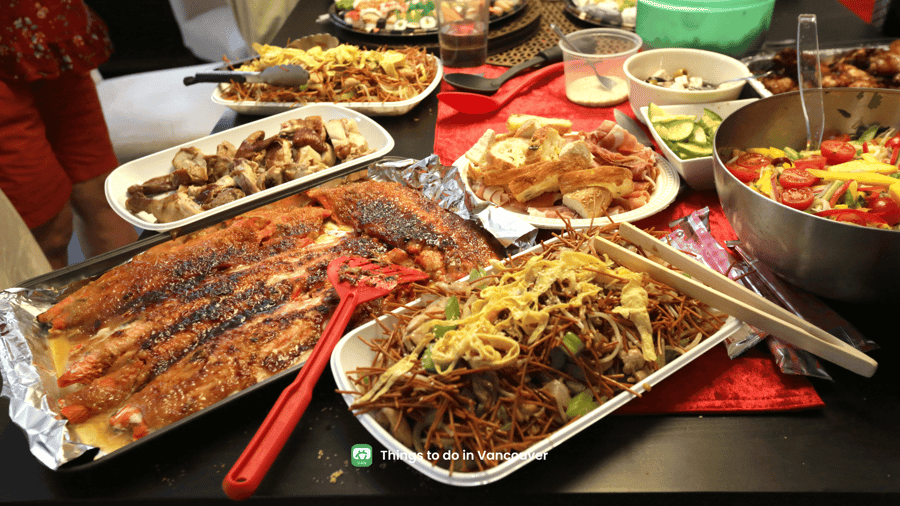
A concise local guide to what people actually eat in Vancouver, highlighting everyday dishes shaped by neighbourhood routines, Asian cuisines, and coastal ingredients.
A local-inspired guide to hidden date spots in Vancouver, from quiet parks and overlooked viewpoints to museums and public spaces that invite slow conversation and shared discovery.
A local-focused guide to Michelin-starred restaurants in Vancouver that couples choose for dates. Based on timing, atmosphere, and return visits, not hype.
Explore Vancouver through everyday neighbourhood food routines. From Mount Pleasant cafés to Richmond’s local Asian eats and Kitsilano beachside meals, this guide shows how locals eat day to day.
Discover the best things to do in Vancouver in winter, including snowy viewpoints, cozy neighborhoods, Christmas lights, outdoor adventures, and seasonal events.