North Vancouver Outdoor Guide: Easy Nature Walks, Winter Views, and Local Trails
North Vancouver offers a rare mix of walkable forest trails, waterfront paths, and snow-covered mountain backdrops just minutes from the city. In winter, gentle walks reveal quiet parks, misty river trails, and clear views toward the Coast Mountains. This guide focuses on easy, local routes suited for winter walking, casual exploration, and relaxed outdoor time.
North Vancouver Outdoor Guide: Easy Nature Walks, Winter Views, and Local Trails
North Vancouver is where forested trails, river canyons, and mountain viewpoints meet everyday local life. Even in winter, the area offers accessible walks that do not require technical hiking skills or a car. This guide focuses on easy nature walks, scenic winter views, and short local trails that fit naturally into a slow, observation-driven way of exploring.
Where North Vancouver sits and why it feels different
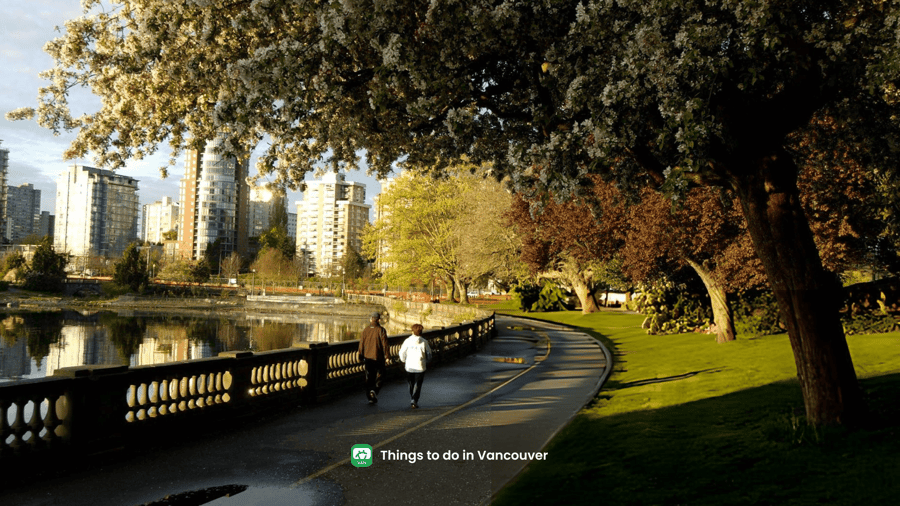
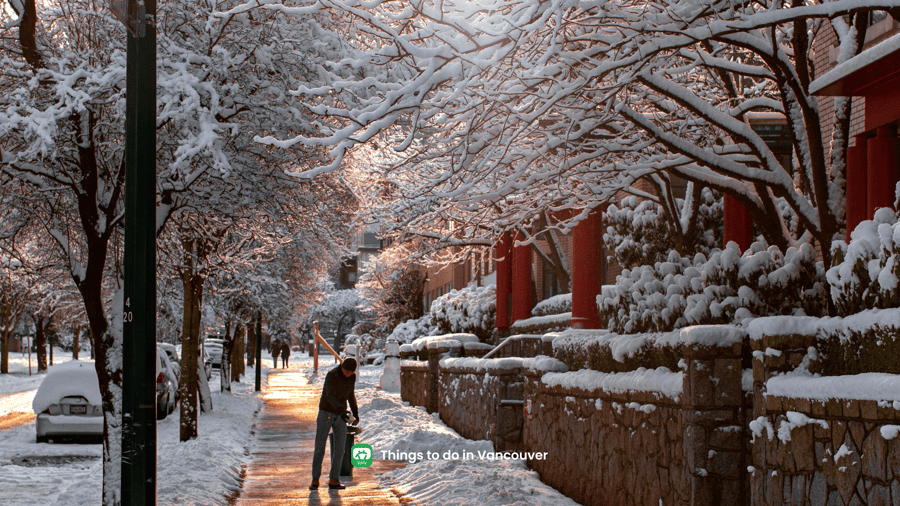
Located just across Burrard Inlet from downtown Vancouver, North Vancouver feels immediately quieter and greener. Residential streets transition quickly into forest paths, and many trailheads are minutes from bus stops or neighborhood cafes. Winter brings mist, mossy greens, and snow-dusted peaks, creating a calm atmosphere rather than a harsh outdoor challenge.
Easy nature walks suitable year round
Forest walks with minimal elevation
Lynn Canyon Park is one of the most approachable places to walk in winter. Well-maintained paths follow the canyon edge and river below, with wooden bridges and flat sections that stay walkable even after rain. The forest canopy offers shelter, making it comfortable in colder months.
Another gentle option is Capilano River Regional Park, where wide gravel paths trace the riverbanks. These routes are popular with locals for casual walks, dog outings, and short nature breaks.
Short loops for relaxed exploration
Neighborhood-connected trails near Lower Seymour Conservation Reserve provide easy loops with minimal elevation change. The focus here is rhythm rather than distance. You walk, pause, notice light through trees, then continue.
Winter views without demanding hikes
Mountain scenery without committing to a summit
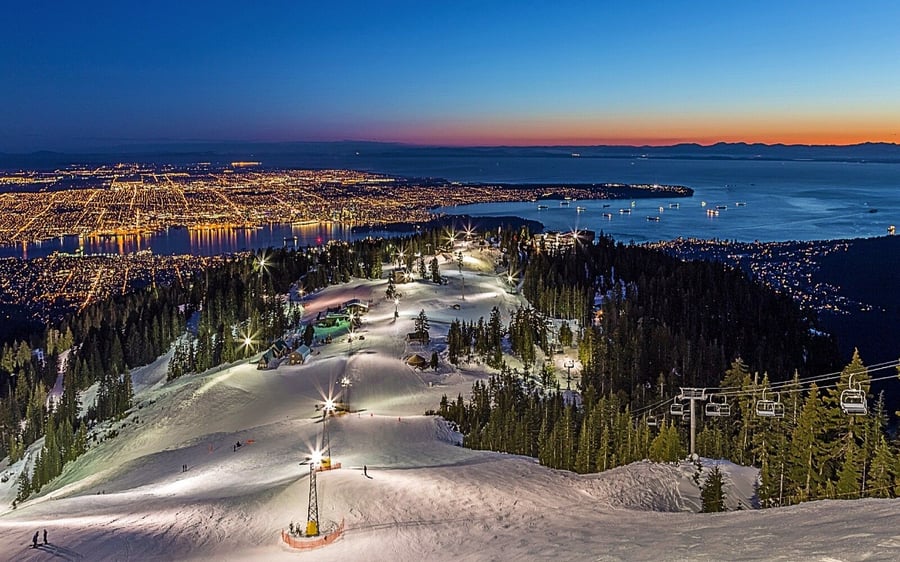
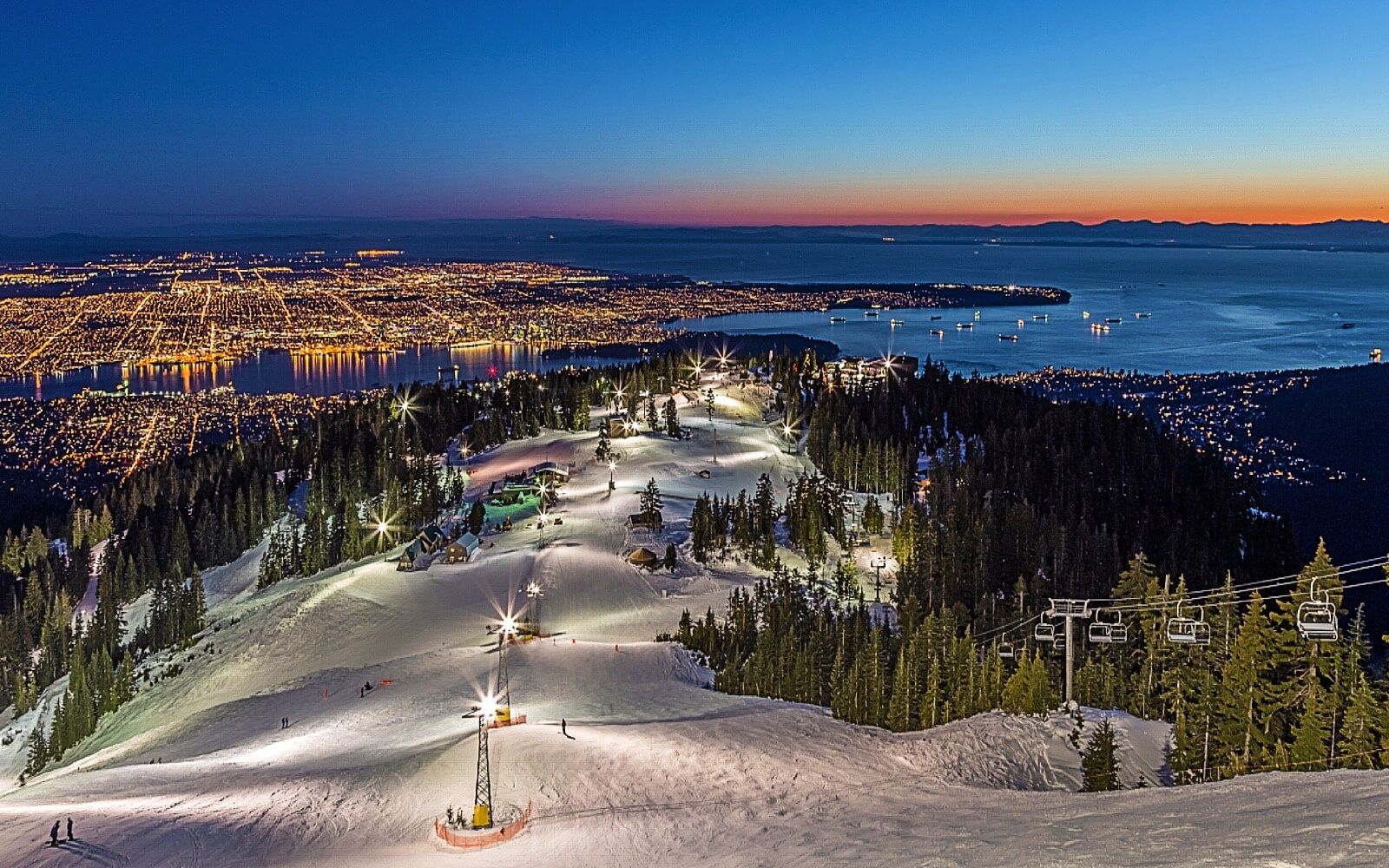
You do not need to hike aggressively to enjoy winter views in North Vancouver. Areas near Grouse Mountain offer accessible viewpoints close to parking areas and transit stops. Even short walks reveal snow-covered slopes and wide city views.
Water, fog, and forest contrast
Trails closer to sea level often feel more atmospheric in winter. Fog over the river, darker evergreens, and muted light create a slower visual pace that suits short walks rather than long treks.
Local trails woven into everyday life
Walking routes locals actually use
Many North Vancouver trails double as daily walking routes. Residents use them to connect neighborhoods, schools, and parks. This makes the experience feel lived-in rather than touristic, especially in winter when crowds thin out.
Combining trails with local stops
A common local rhythm is a short forest walk followed by coffee or a bakery stop nearby. These small routines are part of what makes North Vancouver approachable for visitors who prefer unstructured exploration.
Getting around and planning a half day
Public buses from downtown Vancouver connect directly to major trail areas, making a car optional. A half-day plan might include one forest walk, one viewpoint stop, and a relaxed meal nearby. If you enjoy self-guided exploration, some visitors use narrative-style walking experiences as optional inspiration rather than fixed itineraries. For broader regional context, Tourism Vancouver offers neutral planning resources.
Food & drink
What to eat & drink in Vancouver
Curated blog posts covering markets, breweries, coffee, and flavorful neighborhoods to explore between adventures.
Discover the best active Valentine’s date ideas for couples in Vancouver, from scenic hikes and beach walks to kayaking and winter adventures. Plan a romantic outdoor experience with practical tips, itineraries, and budget-friendly options.
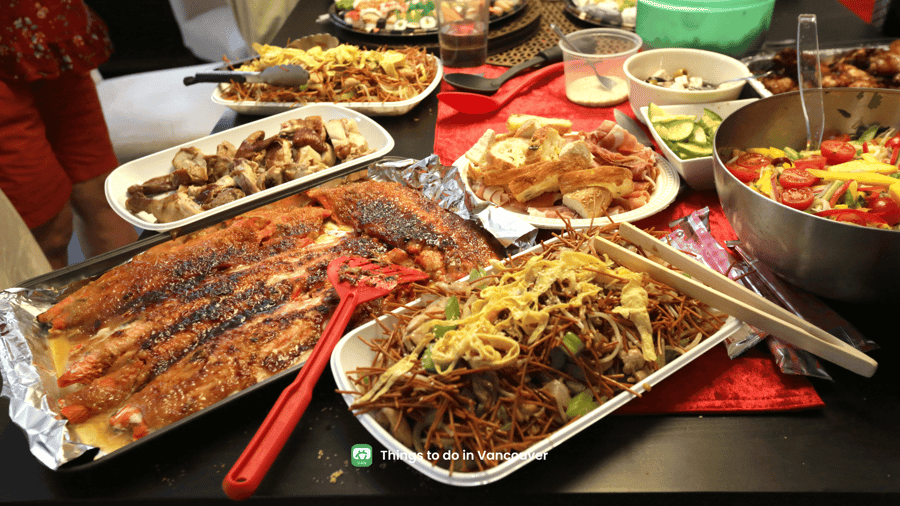
A concise local guide to what people actually eat in Vancouver, highlighting everyday dishes shaped by neighbourhood routines, Asian cuisines, and coastal ingredients.
A local-inspired guide to hidden date spots in Vancouver, from quiet parks and overlooked viewpoints to museums and public spaces that invite slow conversation and shared discovery.
A local-focused guide to Michelin-starred restaurants in Vancouver that couples choose for dates. Based on timing, atmosphere, and return visits, not hype.
Explore Vancouver through everyday neighbourhood food routines. From Mount Pleasant cafés to Richmond’s local Asian eats and Kitsilano beachside meals, this guide shows how locals eat day to day.
Discover the best things to do in Vancouver in winter, including snowy viewpoints, cozy neighborhoods, Christmas lights, outdoor adventures, and seasonal events.